
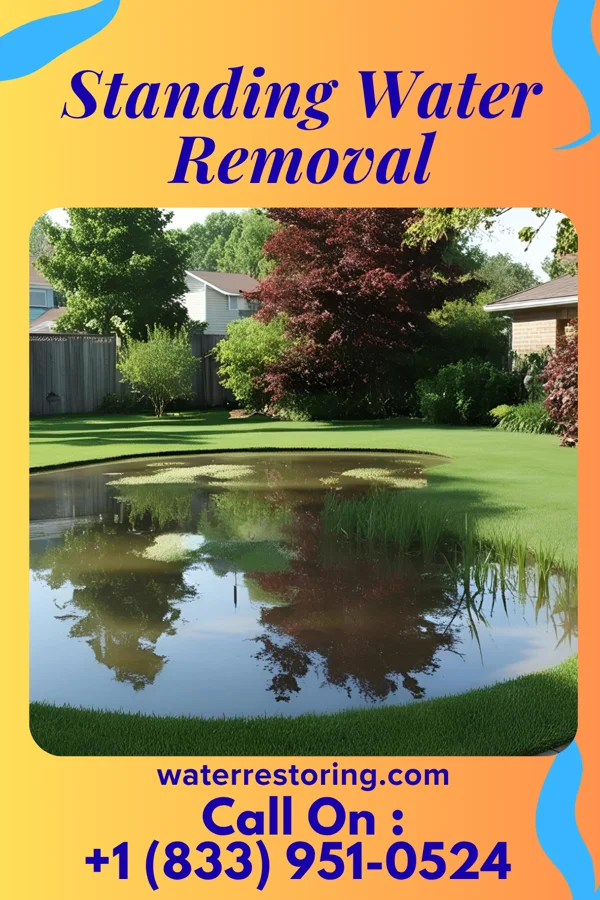
Common Standing Water Causes in Pilot Station
Most standing water removal calls in Pilot Station come from In Pilot Station, Alaska, the primary water damage cause is often due to seasonal thawing of permafrost and sudden spring flooding from nearby rivers and streams, especially near Pitkas Point. Additionally, heavy rainfall during the short summer months can lead to water intrusion in poorly drained areas.. A close second is Secondary causes include leaking septic tanks, burst pipes in older homes, and moisture buildup from snowmelt in basements. Improperly maintained RVs and boats stored near residential properties also contribute to localized water damage.. If you know what is about to happen, the decisions during the first 48 hours get a lot easier.
Pilot Station experiences a subarctic climate with long, cold winters and short, cool summers. This leads to frequent thawing and freezing cycles, increasing the risk of water damage from ground saturation and sudden weather changes.
Most standing water removal calls in Pilot Station come from In Pilot Station, Alaska, the primary water damage cause is often due to seasonal thawing of permafrost and sudden spring flooding from nearby rivers and streams, especially near Pitkas Point. Additionally, heavy rainfall during the short summer months can lead to water intrusion in poorly drained areas.. Running a close second is Secondary causes include leaking septic tanks, burst pipes in older homes, and moisture buildup from snowmelt in basements. Improperly maintained RVs and boats stored near residential properties also contribute to localized water damage.. Local mold risk: Mold growth in Pilot Station can occur rapidly due to high humidity and frequent temperature fluctuations. Prompt water extraction and drying are critical to prevent mold from taking hold in homes and buildings.
For public guidance on the health effects of mold after prolonged water exposure, see the EPA mold and health page.